
Lithium-ion batteries and their underestimated fire potential
Lithium-ion batteries are both a blessing and a curse. High energy density on the smallest storage cell represents a quantum leap and harbours risks despite the most modern technology.
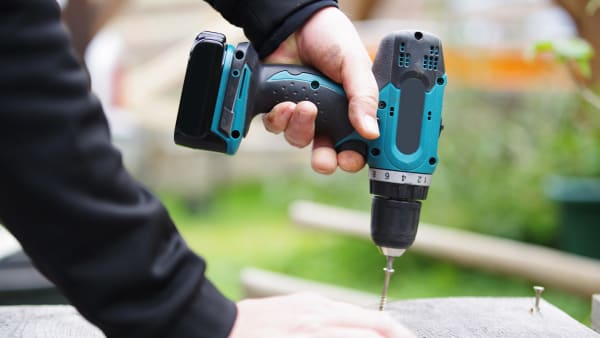
Fires and explosions caused by lithium-ion batteries, which are used operationally in work equipment such as drill screwdrivers, laptops, smartphones or torches, are continuously increasing. Larger energy storage devices, such as those installed in millions of large electrical appliances, electric cars, e-bikes and e-scooters, multiply the fire potential. The higher the energy density, the higher the risk. The mechanical, thermal or electrical causes of fires are usually qualitative defects, the age of the batteries, accidents, but also carelessness.
Damage, temperature effects and overcharging can lead to an increase in the internal resistance and, in particular with high current flows, can cause the temperature to rise significantly. This leads to an increase in pressure within the cell and ultimately to a breakdown, possibly with fire and explosion. Thermal runaway is due to the fact that this type of energy storage uses organic solvents in the form of hydrocarbons, which react in an almost flammable manner like petrol.
Burning lithium-ion batteries should be tackled in the commercial sector by fire protection assistants if possible, based on the risk assessment and the measures laid down. Fires of several or larger batteries should only be fought by fire brigade emergency personnel!
Primary cells just as at risk as batteries
However, not only the batteries themselves are affected by the increasing number of cases, but also the non-rechargeable primary cells. One of the main causes of a fire is the massive overheating of one or more cells. It is basically irrelevant whether the battery is a smaller energy storage device with only a few watt-hours of power, as integrated in smartphones, or a large lithium-ion system with several kWh that ensures the operation of an electric car or forklift truck. Even the smallest defective cell is capable of calling a large fire brigade into action.
In the process, the overheated cells „infect“ those next to them, compar able to a chain reaction. The thermal runaway of the entire battery system described above can then lead to uncontrollable temperatures as well as dangerous and very toxic gas leaks.
Another cause of fire is the improper, unprotected storage of defective lithium-ion batteries or batteries in an “unclear” condition. Lithium-ion batteries can simply be physically damaged by mechanical impacts during transport and storage or thermal stress in the form of strong sunlight, heat or cold.
In the worst case, this can lead to the escape of flammable gases or electrolyte and consequently to ignition. Overheating is usually manifested by white/grey smoke. In such a case, persons in the danger zone should never inhale this smoke, as it contains battery contents and decomposition products.
and decomposition products that are very harmful to health and corrosive. The mist that is released can subsequently ignite and cause a flash fire, which in turn can decompose other lithium-ion batteries in the immediate vicinity.
In addition to the actual fire, explosive processes can occur, as the source of the fire can decompose into small, splinter-like individual parts that eruptively burst apart.
Flammable gases, electrolytes and other cell components

GLORIA Produkthighlights
Water fire extinguisher with cool-down effect suitable for lithium-ion batteries
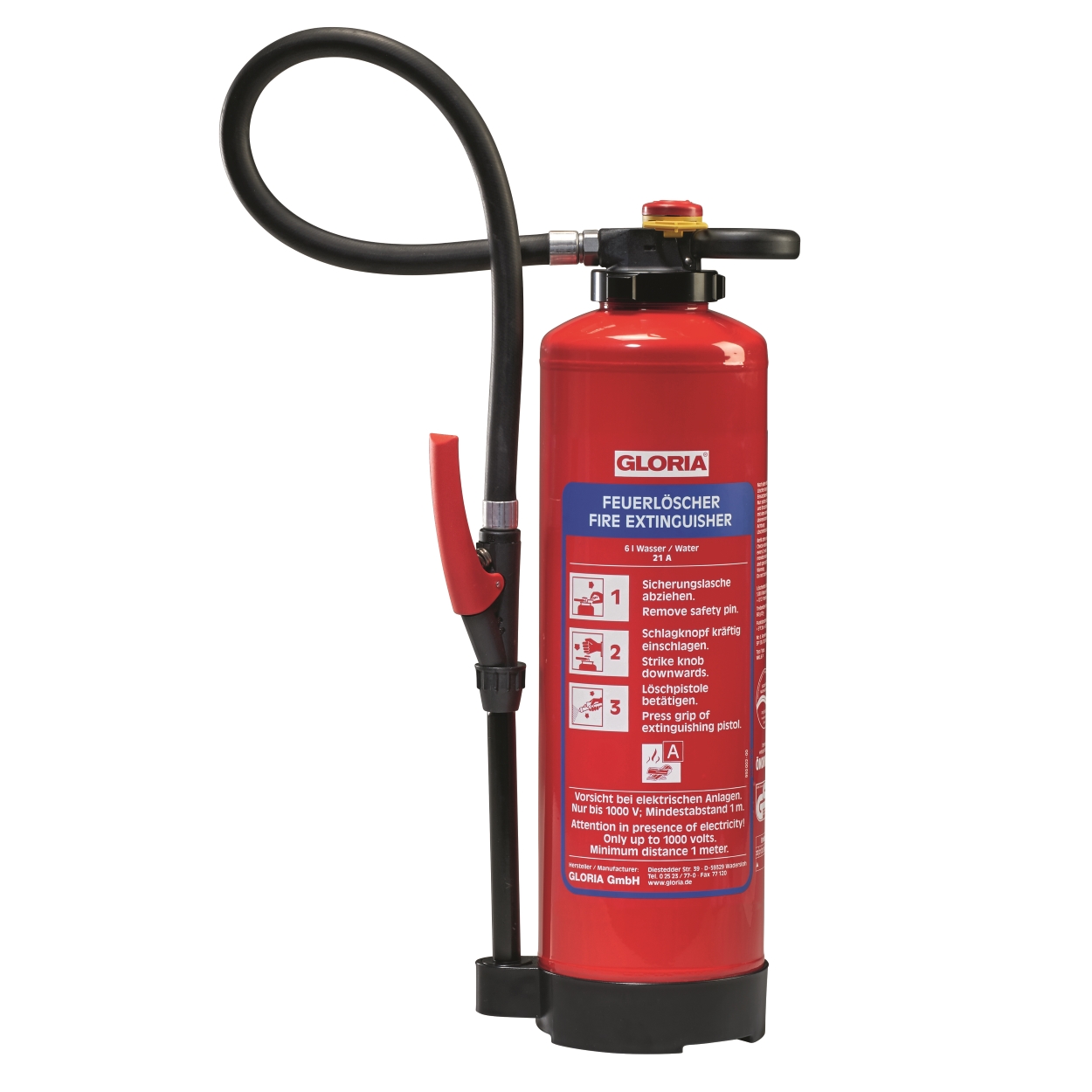

Safety instructions for combating burning lithium-ion batteries
Staying in the hazardous area
In the event of a fire, the first thing that should be done is to prohibit unprotected persons who are not needed for emergency response from accessing or staying in the hazardous area. Persons wearing protective equipment should always ensure that they keep a minimum distance.
In case of a clear development of smoke or release of gas, the hazardous area must be left immediately and sufficient ventilation must be provided.

Firefighting
Only suitable fire extinguishers containing extinguishing agents with a high cooling effect may be used for extinguishing. Professional associations such as the DGUV and the bvfa recommend water as the extinguishing agent, if necessary with extinguishing agent additives. Other extinguishing agents, such as ABC or BC powder, metal fire powder or carbon dioxide (CO2) must not be used! The warning and safety instructions on the corresponding extinguishing equipment must also be observed.
Since batteries can re-ignite even after a longer period of time, they must be stored safely in water basins or other suitable containers after extinguishing. This container must be stored outside the building and away from other fire loads until it can be disposed of properly.

Personal protective equipment
Authorised persons should only act with suitable, sufficient, adapted protective equipment in the form of protective gloves, protective clothing, face and respiratory protection.
As a general rule, no action should be taken that involves personal risk to self or that has not been adequately practised.